Council to review efforts aimed at making streets safer, more efficient
Many Lexington residents cannot or don't want to drive. What is the city doing to build infrastructure that works for them?


Many Lexington residents cannot or don't want to drive. What is the city doing to build infrastructure that works for them?

Lexington has more than 70 boards and commissions that shape local decisions, but many of them have representation and accessibility issues.

A group of randomly-selected Lexington residents developed three Charter amendments and put them before voters. What will they mean for Council after all three passed?
Many Lexington residents cannot or don't want to drive. What is the city doing to build infrastructure that works for them?

On Tuesday, November 10th, Council will receive its first biennial progress report on the STREEET Safety Task Force’s Complete Streets program.
Complete Streets was created to bridge the gaps that exist in Lexington’s transportation system. The presentation reports that nearly one-third of Lexington’s residents cannot or choose not to drive, and despite the demand for alternative transportation, many streets still lack access to necessary infrastructure like complete sidewalks, safe crossings, or connected facilities for walking, biking, rolling, and transit.
Policy requires that Complete Streets must report on performance measures every two years. The upcoming presentation will highlight recent safety successes, including “quick-build” tests like the $65,000 High Street pilot project, which successfully reduced speeding by improving crosswalks and implementing buffered bike lanes.
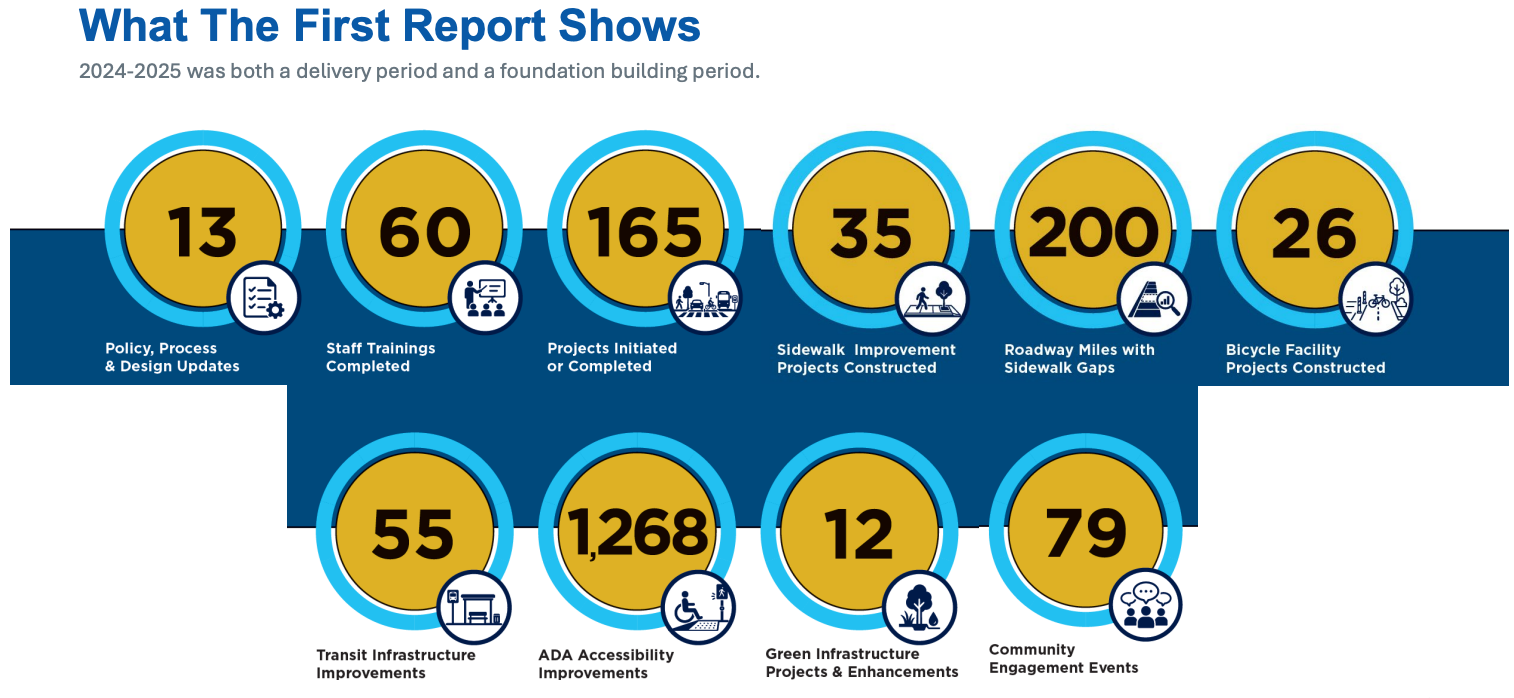
Complete Streets has spent the last two years building the social and physical foundations necessary to put safer streets into practice. Looking ahead, the next phase of this project will shift from planning to action. For example, the city will roll out a new GIS-based tracking system to map infrastructure investments and ensure improvements align with community needs.

Lexington hired outside researchers to assess crosswalks and provide recommendations for improvements to priority intersections.

The City will soon issue $50 citations for stopping or parking vehicles in designated bike lanes.

Complete Streets has moved through its initial design phase. Now it is shifting focus to educating and engaging the community.

A council committee will get a status report on the study, then the public is invited to an open house to offer feedback.