Kentucky’s voting registration deadline is approaching. Here’s what to know
There's a few ways to register to vote before the October 5th deadline.


There's a few ways to register to vote before the October 5th deadline.

The Urban County Council helps craft the city's budget and has taken several consequential votes this year, from safer streets to data centers. Your vote shapes those decisions.

Lexington voters will find races for Mayor, city council, school board, three charter questions, and many other offices on their ballots this fall. Here's how to make a plan to vote.
This development would provide single-family detached homes and townhomes for sale at low prices, as well as low rental apartments.


This Tuesday, February 25th at 5:30pm, Council will hold a public hearing and a vote on whether to approve or reject a zone change that would allow a 234 unit affordable housing development to be built on the former Transylvania University baseball field in the Marlboro-Radcliffe neighborhood.
The proposed development would consist of 26 single-family detached homes, 29 townhomes, and 179 apartment units spread across four buildings, with one of those apartment buildings being reserved for senior residents. The single-family attached homes and and the townhomes will be available for homebuyers who make an income of 80% or below the Area Median Income (AMI), and the rental apartment units will be reserved for those who make 80% or lower AMI.
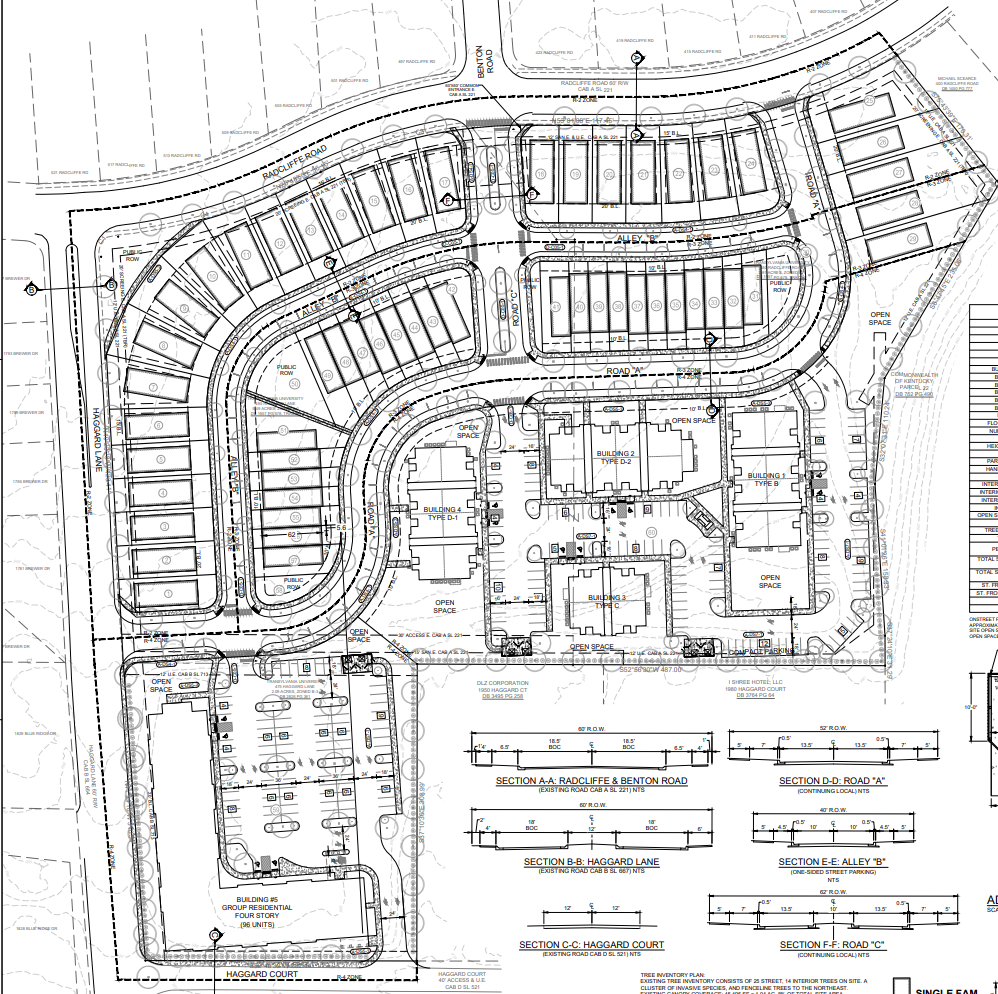
The Planning Commission unanimously approved the zone change in December. However, Council scheduled the Public Hearing in January due to neighborhood concerns around the development.
Neighborhood concerns primarily center on traffic congestion, especially where Haggard Lane and North Broadway intersect. Several neighbors have also requested that the development be limited to exclusively single-family detached homes, which the majority of the neighborhood is made up of.
CivicLex is grateful to __ for being a sponsor of the CivicLex Weekly. Their support helps keep articles like this free for our entire community.

It is only the second veto Gorton has issued during her eight years in office.

Under Lexington's Charter, the Mayor has 10 days to veto ordinances and resolutions passed by Council.

At a meeting this week, Councilmembers had several questions for city Planning staff about proposed changes to Lexington's zoning rules for data centers. What's next?

A council committee will get a status report on the study, then the public is invited to an open house to offer feedback.